Practice Photography That Actually Books Patients
Why real photography of your team and rooms outperforms stock imagery on every page that matters — and how to plan a media day around booked chairs.
A prospective patient decides whether to trust your practice long before they read a word of your copy. They scroll, they look at faces, and they ask themselves one quiet question: does this look like a place that will take care of me?
Stock imagery quietly costs you cases
Stock photography is recognizable. Patients may not name the feeling, but they register the mismatch between the polished model on the homepage and the room they walk into. Real imagery removes that gap and sets an accurate expectation before the first call.
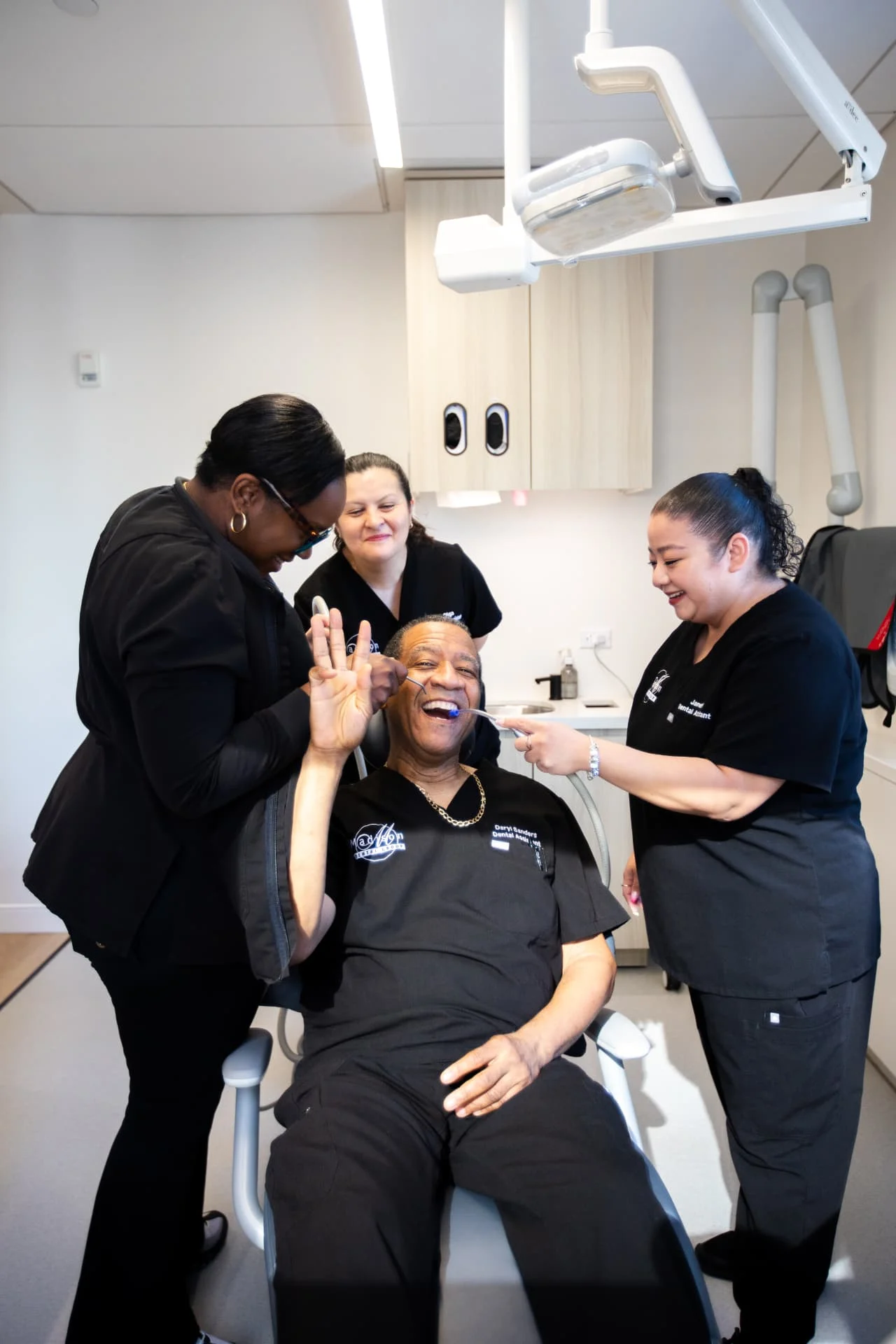
- Your team's faces build familiarity before the first appointment.
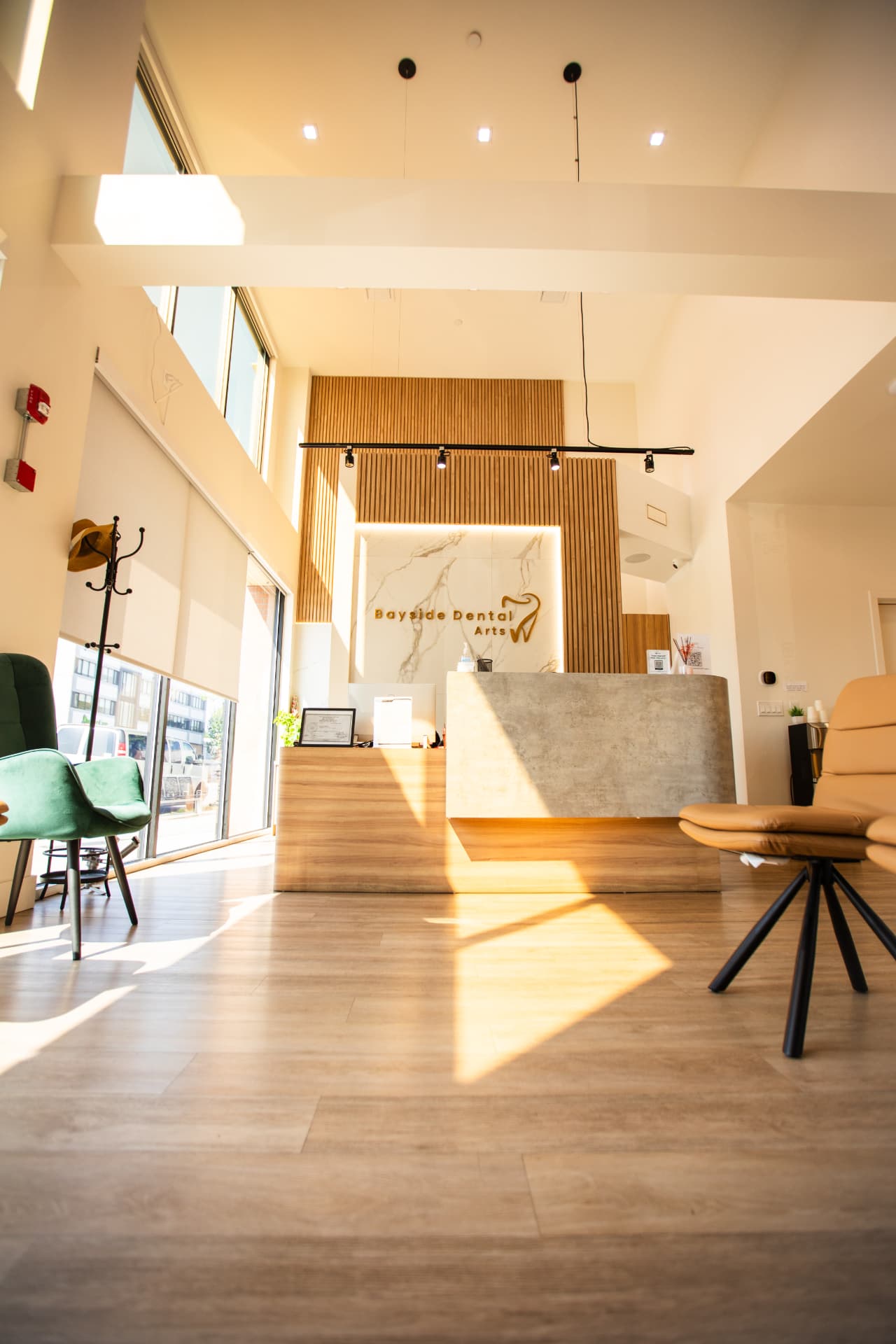
- Your actual rooms show cleanliness, technology, and comfort.
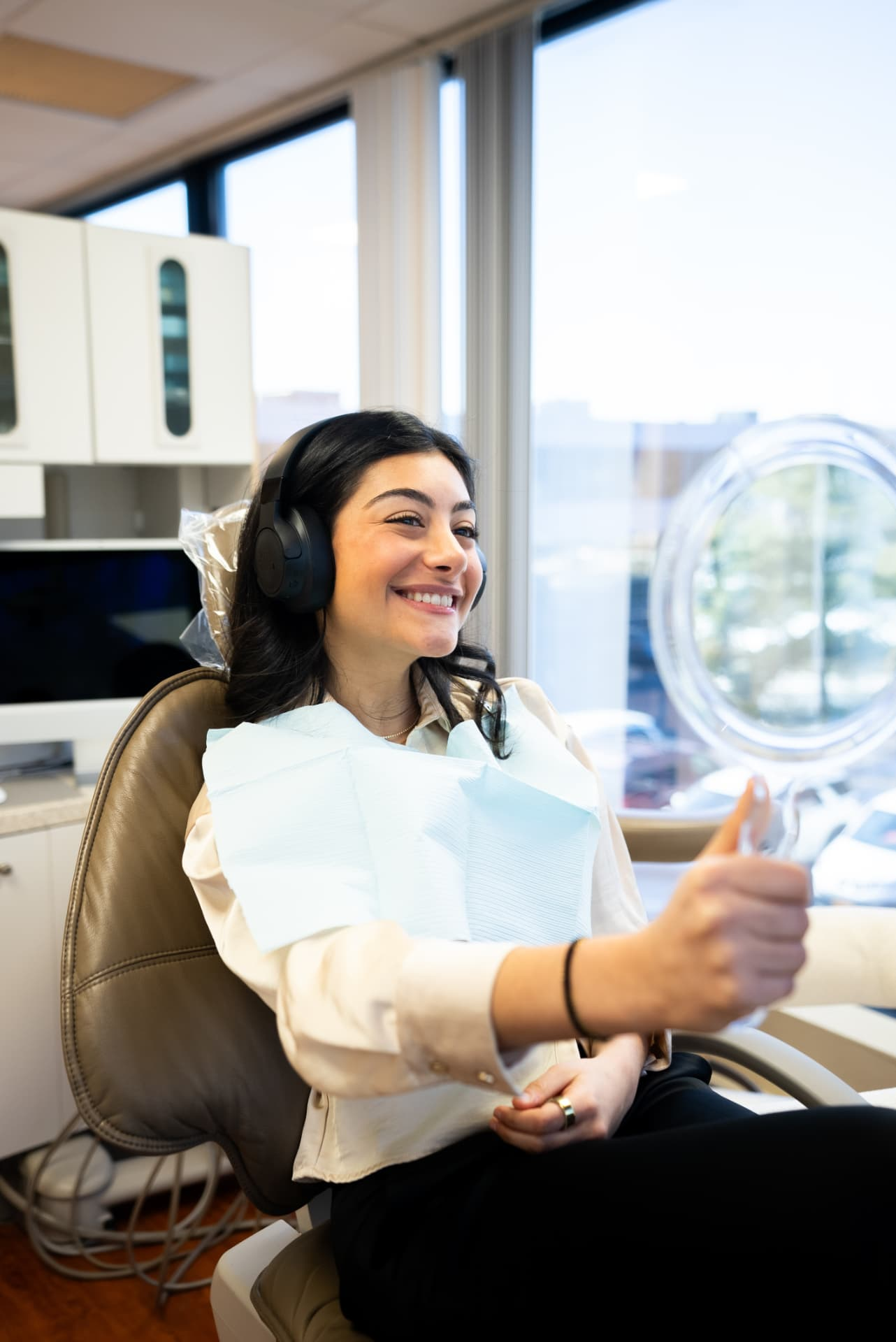
- Real patients — with consent — carry proof no testimonial text can.
What a well-planned media day produces
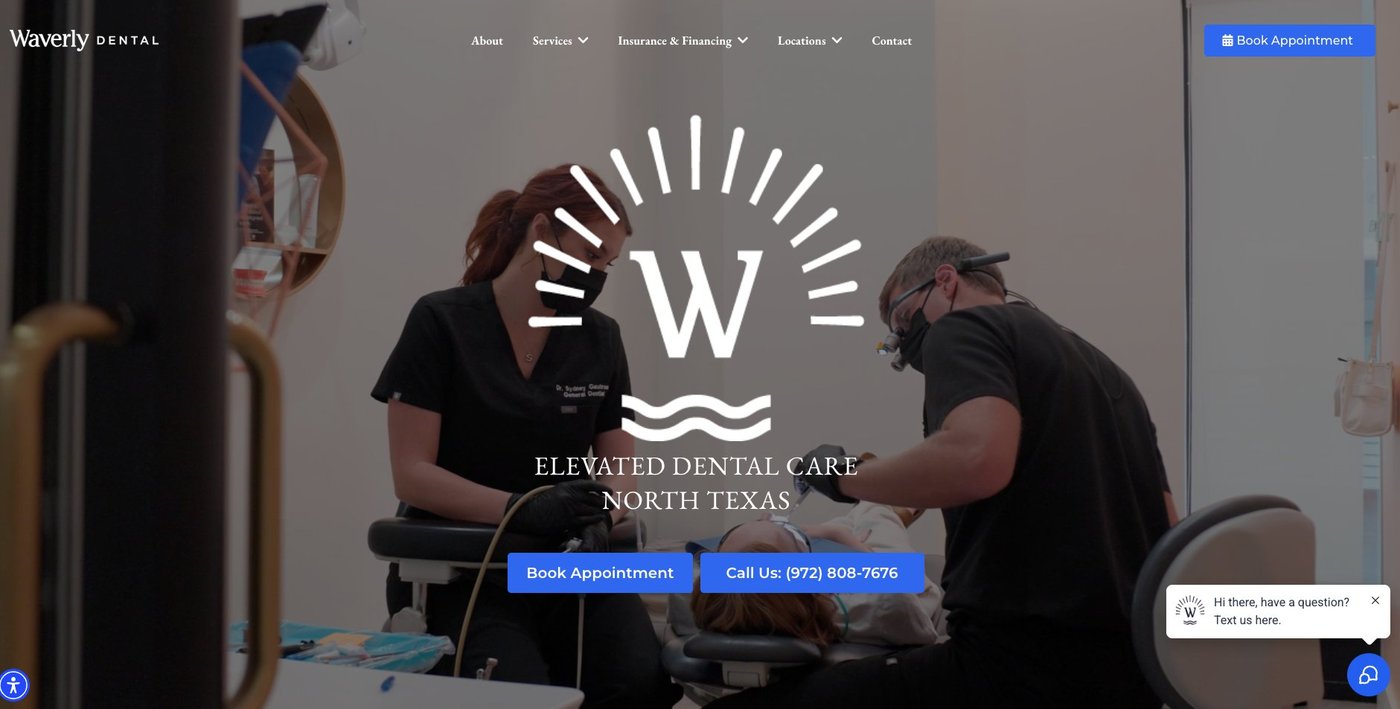
One production day, planned around the assets you actually need, should carry a practice for a year: a homepage hero, provider portraits, operatory and lobby coverage, procedure detail, short-form vertical clips, and a library sized for ongoing social and paid campaigns.
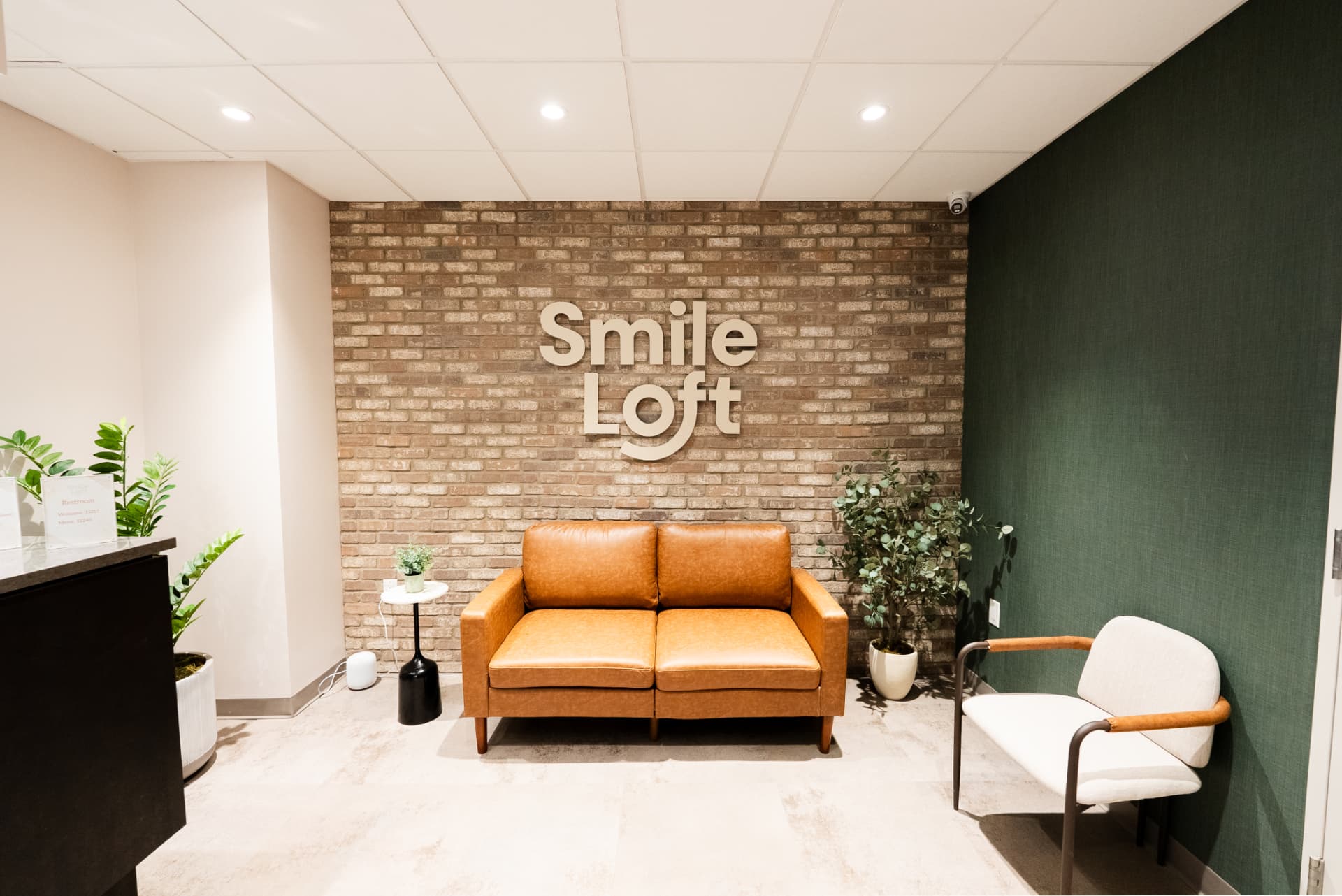
"We finally look online the way we feel in the operatory. Patients notice and mention it."
Plan backward from the page
Before a camera comes out, list the placements: hero, service pages, Google Business Profile, reels, ads. Every shot on the schedule should have a home. That single discipline is the difference between a folder of nice pictures and a library that produces new patients.
Want a look at what your practice would produce in one day on set?
Book a free strategy call